In this guide
- Why does dressing independently matter for nursery and KG?
- Which clothes are easiest for toddlers to put on alone?
- How can you help a child tell the front from the back?
- Do matching sets make getting dressed easier?
- What shoes are easiest for kids to put on themselves?
- What routine helps kids learn to dress themselves?
- Questions parents ask
- Shop the story
The easiest clothes for kids learning to dress themselves have elastic waists, wide necklines, no fiddly buttons and clear cues for front and back. Pull-on joggers, shorts, loose t-shirts and matching sets work well for 2 to 6 year olds. For nursery and KG in the UAE, add shoes with a hook-and-loop strap and a simple routine.
Why does dressing independently matter for nursery and KG?
Nurseries and kindergartens across the UAE often encourage children to manage simple self-care, such as taking off a jacket, pulling trousers up after the toilet or changing after messy play. Clothes that are easy to handle let your child do this without waiting for help, which builds confidence and saves time for teachers too.
Every child develops at their own pace. Some two year olds are keen to pull on their own shorts, while some five year olds still want help with tops. The aim is not speed: it is giving children clothes that make success likely, then stepping back.
If your child is about to start, our guide to first day nursery and kindergarten outfits covers what to pack and wear, and our back to school collection is a good starting point.
Which clothes are easiest for toddlers to put on alone?
Look for features that work with small hands and developing coordination.
- Elastic waists: kids' joggers, pull-on shorts and leggings can be stepped into and pulled up in one move.
- Wide, stretchy necklines: t-shirts that go over the head easily without a struggle.
- Relaxed fits: slightly loose tops and bottoms are easier to pull on than snug ones.
- Short or loose sleeves: easier to find with an arm than long, tight cuffs.
- Soft fabrics with some stretch: forgiving if a child pulls at an awkward angle.
Features to avoid for now
| Feature | Why it is tricky | Easier alternative |
|---|---|---|
| Small buttons | Need fine finger control most young children are still building | Pull-on tops or large snaps |
| Back fastenings | Impossible to reach and see | Front-open or pull-over styles |
| Fly zips and button waists | Slow and frustrating, especially at the toilet | Elastic waistbands |
| Laces | Hard to tie and quick to come undone | Hook-and-loop straps or slip-ons |
| Tight cuffs and necks | Arms and heads get stuck | Relaxed fits with stretch |
| Bodysuits with snaps underneath | Designed for babies, not independent toilet trips | Separate top and bottoms |
Toilet independence and dressing independence go hand in hand. If you are in the middle of potty training, our potty training clothes guide covers that stage specifically.
How can you help a child tell the front from the back?
Backwards tops and inside-out trousers are part of learning, but a few cues reduce the frustration.
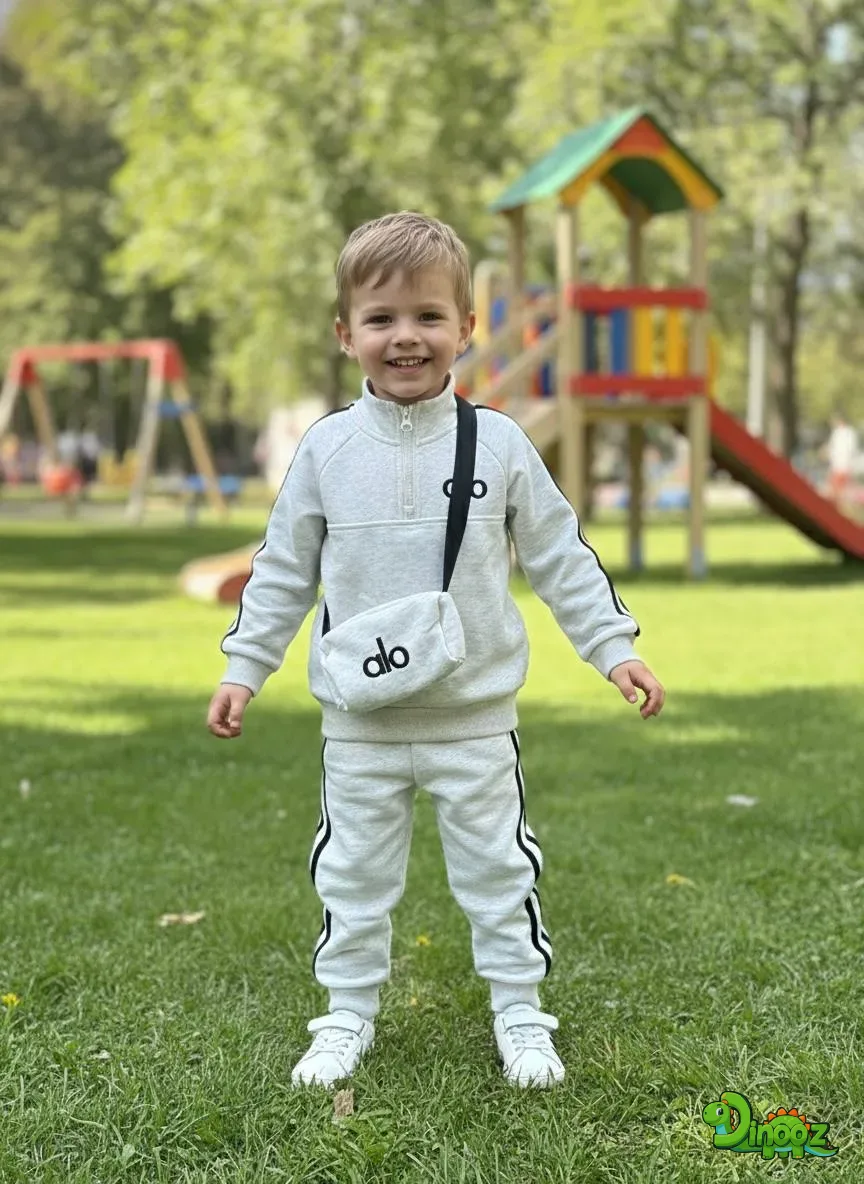
- Printed fronts: a picture on the front of a tee is the clearest cue. Teach "picture on your tummy".
- Label check: if there is a label at the back of the neck, explain "label goes at the back".
- Lay clothes face down: place the top flat, front facing down, with the neck nearest your child. They put arms in, then flip it over their head.
- Pockets on trousers: front pockets help children work out which way round to step in.
Do matching sets make getting dressed easier?
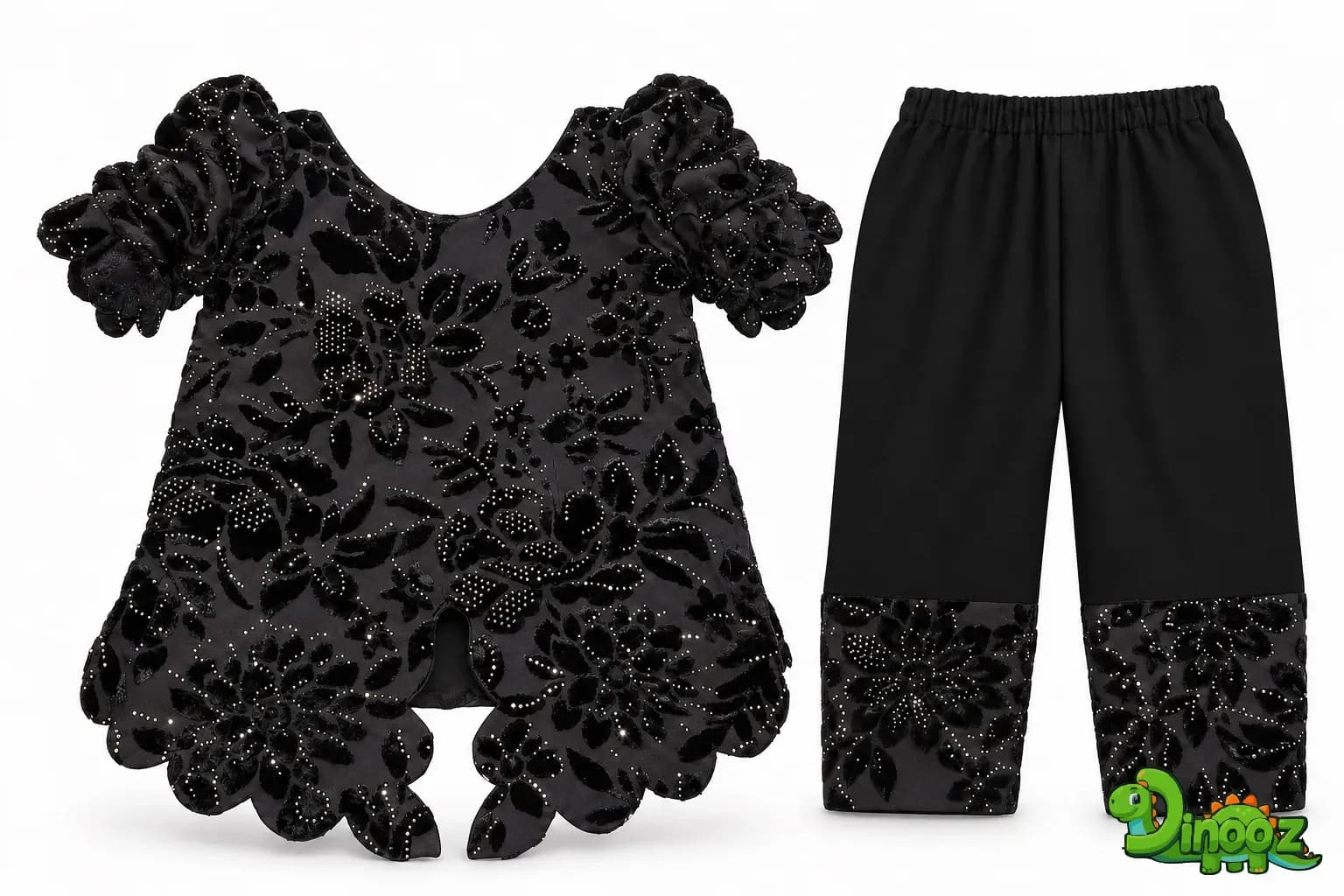
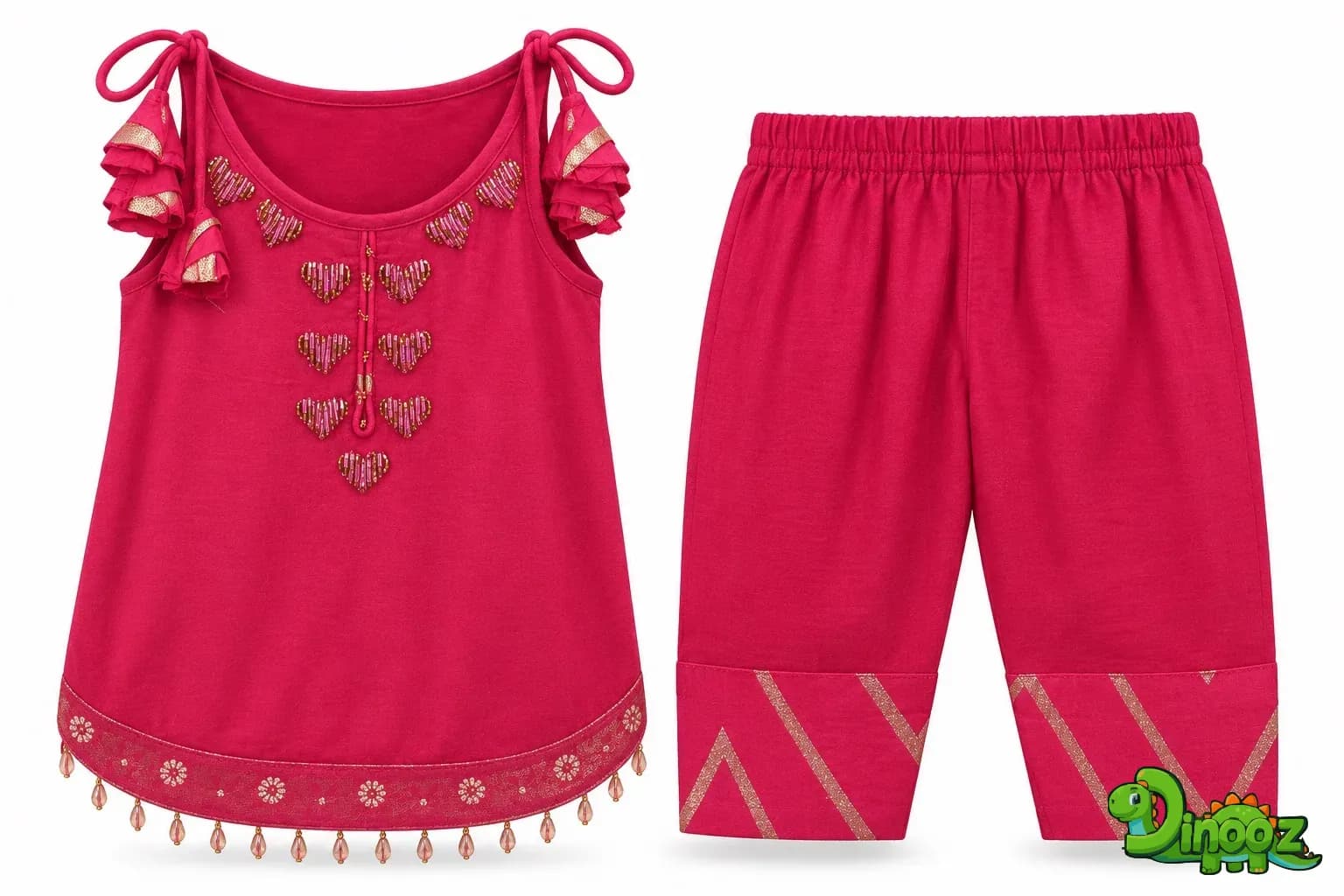
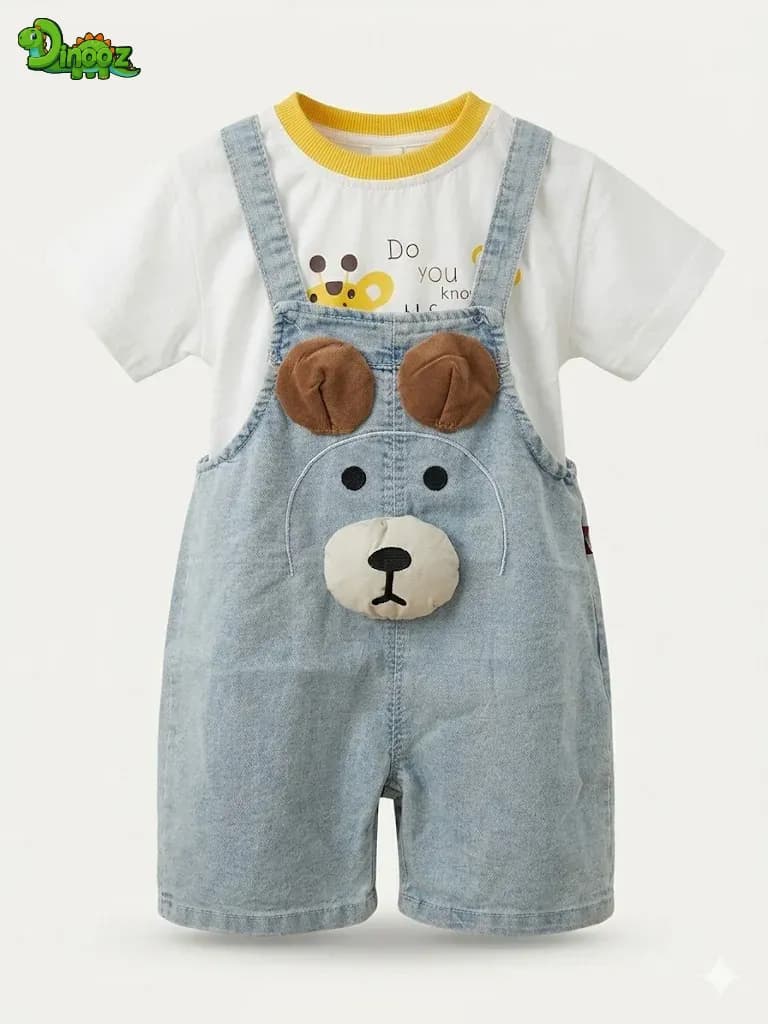
Yes, for many families. A matching set removes one decision: the top and bottoms already go together, so your child can choose a set from the drawer and know it will work. That sense of choice matters, and it reduces negotiation on busy mornings. Kids' matching sets with an elastic-waist bottom and a simple pull-over top are ideal for this stage.
You can extend the idea by storing complete outfits together, one per day, in a drawer divider or a hanging organiser. Plenty of easy pull-on t-shirts in colours that mix with any bottoms also help.
Choose clothes your child can win at. Elastic waists and printed fronts on school mornings, buttons and laces for practice at the weekend.
Organising the drawer for independence
Store clothes where your child can reach them. A low drawer or open shelf with separate spaces for tops, bottoms, socks and pyjamas lets a two or three year old find things without help. Picture labels on the front of each drawer work well before children can read. Keep out-of-season items and special outfits, such as Eid or party clothes, somewhere else so everyday choices stay simple.
What shoes are easiest for kids to put on themselves?
Shoes are often the last hurdle before leaving the house. For independent dressing, look for hook-and-loop straps, a wide opening and a pull tab at the heel. Slip-on styles are quick but can come off during active play, so check what your nursery or school allows. Putting a small sticker inside each shoe, cut in half so the two halves make a picture when the shoes sit side by side, is a simple trick for learning left and right. Socks without heavy seams are easier for children to pull on straight.
What routine helps kids learn to dress themselves?
A predictable sequence turns getting dressed into a habit rather than a daily debate.
- Choose the night before. Offer two outfits and let your child pick one.
- Lay it out in order: underwear, bottoms, top, socks, shoes.
- Sit down for bottoms and socks. Balancing on one leg is hard for younger children.
- Allow extra time. Rushing is when parents step in and children lose confidence.
- Help with one step, not all. Start the zip, then let them pull it up.
- Praise effort, not perfection. A backwards tee on a Saturday is fine.
Undressing usually comes before dressing, so let your child practise taking off socks, shorts and t-shirts at bath time. It is easier, and it builds the same muscle memory in reverse.
In the UAE heat, keep the morning outfit light and breathable, and pack a spare set in the school bag so your child can practise changing after messy play or water time.
At Dinooz, our range runs from newborn to about 6 years, with plenty of pull-on pieces made for this stage. Browse our joggers and matching sets to build a wardrobe your child can manage alone.
Questions parents ask
At what age can children dress themselves?
It varies a lot. Many toddlers start pulling off socks and simple clothes around age two, and by four or five many children can manage most pull-on outfits with a little help for fastenings. Every child develops differently, so focus on easy clothes and practice rather than a target age.
Should I buy clothes a size bigger to make dressing easier?
A slightly relaxed fit can help, as long as trousers are not so long they trip your child or so loose they fall down. Elastic waists and stretchy fabrics give ease without excess length. Check the size chart and your child's height before choosing.
How do I teach buttons and zips without the stress?
Practise when there is no time pressure, such as weekends or after nursery. Start with large buttons on a cardigan or a jacket laid flat on a table, then move to wearing it. Starting a zip for your child and letting them pull it up is a good first step.
What should my child wear for nursery in the UAE summer?
Light, breathable pull-on clothes such as t-shirts, shorts or joggers in soft fabrics, plus a hat for outdoor time if the nursery requires one. Pack a spare outfit labelled with your child's name, and check your nursery's own guidance on uniforms and footwear.
Are dresses easy for young children to put on alone?
Simple pull-over dresses with a wide neckline can be very easy, since there is only one piece. Avoid back zips and small buttons for independent wear. For active play, many parents add shorts or leggings underneath so the child can move freely.