UAE winter, roughly December to February, is mild by most standards, but mornings, evenings and desert trips can feel genuinely cool, while afternoons stay warm. The trick is layering, so children can add and remove pieces as the day changes. Here is a simple guide.
Think layers, not heavy coats
You rarely need thick winter coats in the UAE. A light layering system covers almost everything: a breathable cotton base, a mid layer like a sweatshirt or cardigan, and a light jacket for the coolest moments. This keeps children comfortable from a chilly morning drop off to a warm midday.

A simple winter layering plan
- Base layer: a soft breathable cotton top or bodysuit that breathes.
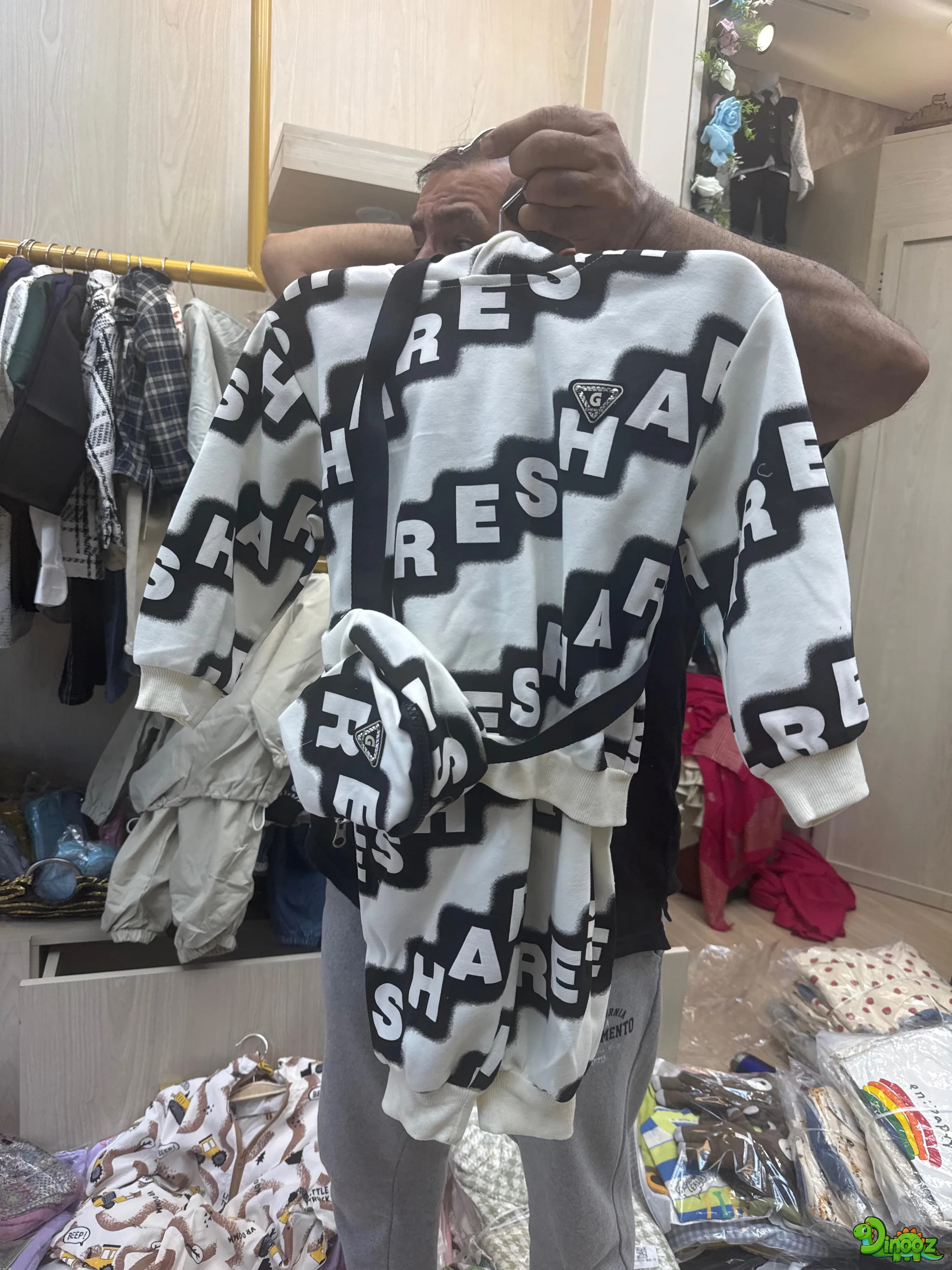
- Mid layer: a sweatshirt, cardigan or light knit for cooler classrooms and evenings.
- Outer layer: a light jacket for early mornings, the beach breeze, or a desert evening.
When it actually gets cold
For camping, Jebel Jais or a cold snap, add a warmer layer and long sleeves, plus socks and a light hat for little ones. These occasions are the exception, so buy one or two warmer pieces rather than a full winter wardrobe.
Fabric still matters
Even in winter, breathable cotton is comfortable indoors and in warm afternoons, while synthetic fleece can overheat a child who moves between cool outdoors and heated or sunny spaces. For more on fabrics, see our fabric guide.
Ready to layer up? Browse the Dinooz collection, delivered across the UAE with free delivery over AED 99 anywhere in the UAE, or read our size guide to get the fit right.
Questions parents ask
How cold does it get in the UAE winter?
Winter is mild overall, but mornings, evenings and desert trips can feel cool, while afternoons stay warm. Light layering covers the range better than a single heavy coat.
Do kids need winter coats in the UAE?
Rarely. A light layering system, a cotton base, a sweatshirt or cardigan, and a light jacket, handles most days. Add one warmer piece for camping or a cold snap.
What fabric is best for UAE winter?
Breathable cotton as a base stays comfortable indoors and in warm afternoons, with warmer mid and outer layers added only when needed. Avoid overheating in heated or sunny spaces.