In this guide
- Why do kids' clothes go stiff and grey in the UAE?
- How much detergent should you use in hard water?
- Which wash settings protect colours and prints?
- How can you soften clothes washed in hard water?
- How should you dry kids' clothes on a UAE balcony?
- How do you keep white tees and sweat-marked collars bright?
- Questions parents ask
- Shop the story
To wash kids' clothes well in UAE hard water, use the right detergent dose for your water (not extra), wash cool, turn clothes inside out, add a softening rinse if your machine allows it, and dry in the shade rather than full sun. These steps stop the stiffness, greying and fading many Dubai and Abu Dhabi parents notice.
Why do kids' clothes go stiff and grey in the UAE?
Most families in the UAE wash with tap water, and how hard that water feels varies by area, building and even the state of the rooftop tank. If you see white scale on your kettle, shower head or taps, your water is carrying dissolved minerals. In the wash, those minerals react with detergent, so less of it cleans and more of it is left behind as a film on the fibres.
Over many washes, that film does three things parents notice: soft t-shirts and pyjamas feel crunchy after drying, whites slowly turn grey or slightly yellow, and dark colours look chalky. Small children make it worse simply by being children: food, sunscreen, sand from the park and sweat from outdoor play all give the residue something to cling to.
Sun and dust are the other two culprits
Line-drying on a balcony is convenient, and in summer clothes dry very quickly. The trade-off is intense sunlight, which breaks down dyes and makes prints crack sooner. Summer temperatures regularly pass 40C in much of the country, and a few extra hours on the rail after clothes are already dry adds fading without any benefit. Dusty or windy days also leave a fine layer on wet laundry, which then gets washed back into the next load.
This guide focuses on those UAE-specific problems. For the basics of sorting, temperatures and drying, see our general guide on how to wash kids' clothes in the UAE.
How much detergent should you use in hard water?
Start with the dose printed on the detergent pack for hard water and your load size, then adjust based on results. It is tempting to add an extra scoop when clothes come out dull, but more detergent in hard water usually means more residue, not cleaner clothes.
- Measure every time. Use the cap or scoop rather than pouring by eye.
- Do not overload the drum. Clothes need room to move so water can rinse the detergent out. A half to three-quarters full drum works well for small clothes.
- Add an extra rinse if your machine has the option, especially for baby clothes, bodysuits and anything worn close to the skin.
- Liquid or powder? Both work. Some parents find liquid dissolves more easily in cooler washes; follow what your machine maker recommends.
Which wash settings protect colours and prints?
Cooler washes are kinder to fabric, dyes and printed designs. For everyday kids' clothes that are lightly worn, a cool or warm cycle is usually enough, and most care labels on children's clothing allow it. Save hotter cycles for heavily soiled items, cloth bibs or towels, and only where the label permits.
Simple habits that help every load
- Turn kids' t-shirts, sweatshirts and anything printed inside out before washing.
- Close zips and fasten snaps so they do not snag softer pieces.
- Wash darks, lights and whites separately, at least for the first few washes of a new item.
- Use a shorter, gentler cycle for small loads of light summer clothes.
- Skip ironing directly on prints: iron inside out on a low setting, or not at all.
Every Dinooz product page lists the fabric, and the label inside each garment gives its own care symbols. Our kids' clothes care guide explains what those symbols mean.
How can you soften clothes washed in hard water?
If clothes already feel stiff, you have a few options. None of them are magic, and it is worth trying one at a time so you can see what actually helps in your home.
| Option | How it helps | Things to watch |
|---|---|---|
| Extra rinse cycle | Flushes out leftover detergent and minerals | Uses more water and time |
| White vinegar in the softener drawer | Many parents use a small amount to loosen residue | Check your machine manual first; never mix with bleach |
| Laundry water softener product | Designed to reduce the effect of minerals in the wash | Follow the pack instructions exactly |
| Fabric softener | Makes fabric feel smoother | Use sparingly; it can coat fibres and is best skipped on towels |
| Shaking out before drying | Loosens fibres so they dry less crunchy | Takes seconds, costs nothing |
A tumble dryer on a low heat can also leave clothes softer than air-drying, but check each care label: some kids' pieces should not go in a dryer at all, and heat can shrink cotton-rich fabrics.
How should you dry kids' clothes on a UAE balcony?
Drying outdoors is still a good choice for most of the year, as long as you control the sun exposure.
- Dry in the shade or under a covered part of the balcony where possible.
- Keep clothes inside out on the rail so the outside colour and print are protected.
- Bring laundry in as soon as it is dry. In summer that can be within an hour or two.
- Check the forecast for dust. On hazy or windy days, dry indoors near the AC or a fan instead.
- Shake clothes out before hanging and when you take them down to remove dust and soften the fibres.
Indoor drying racks work well in air-conditioned rooms, which are dry enough for light cotton pieces like breathable summer clothes to dry overnight.
In hard water, the fix is rarely more soap. Measure the dose, rinse well and keep clothes out of the midday sun.
How do you keep white tees and sweat-marked collars bright?
Whites show hard-water greying first, and children's tees often pick up yellowish marks around the collar and underarms after outdoor play in the heat.
- Rinse sweaty whites soon after wearing rather than leaving them in a hot laundry basket for days.
- Pre-treat collars and underarms with a little liquid detergent, gently rubbed in, before washing.
- Wash whites only with whites, so they do not pick up dye from other clothes.
- Avoid drying whites in full sun for long periods; heat can set yellow marks rather than remove them.
- For specific spills like food, grass or sunscreen, use our guide on removing stains from kids' clothes.
Caring for printed pieces
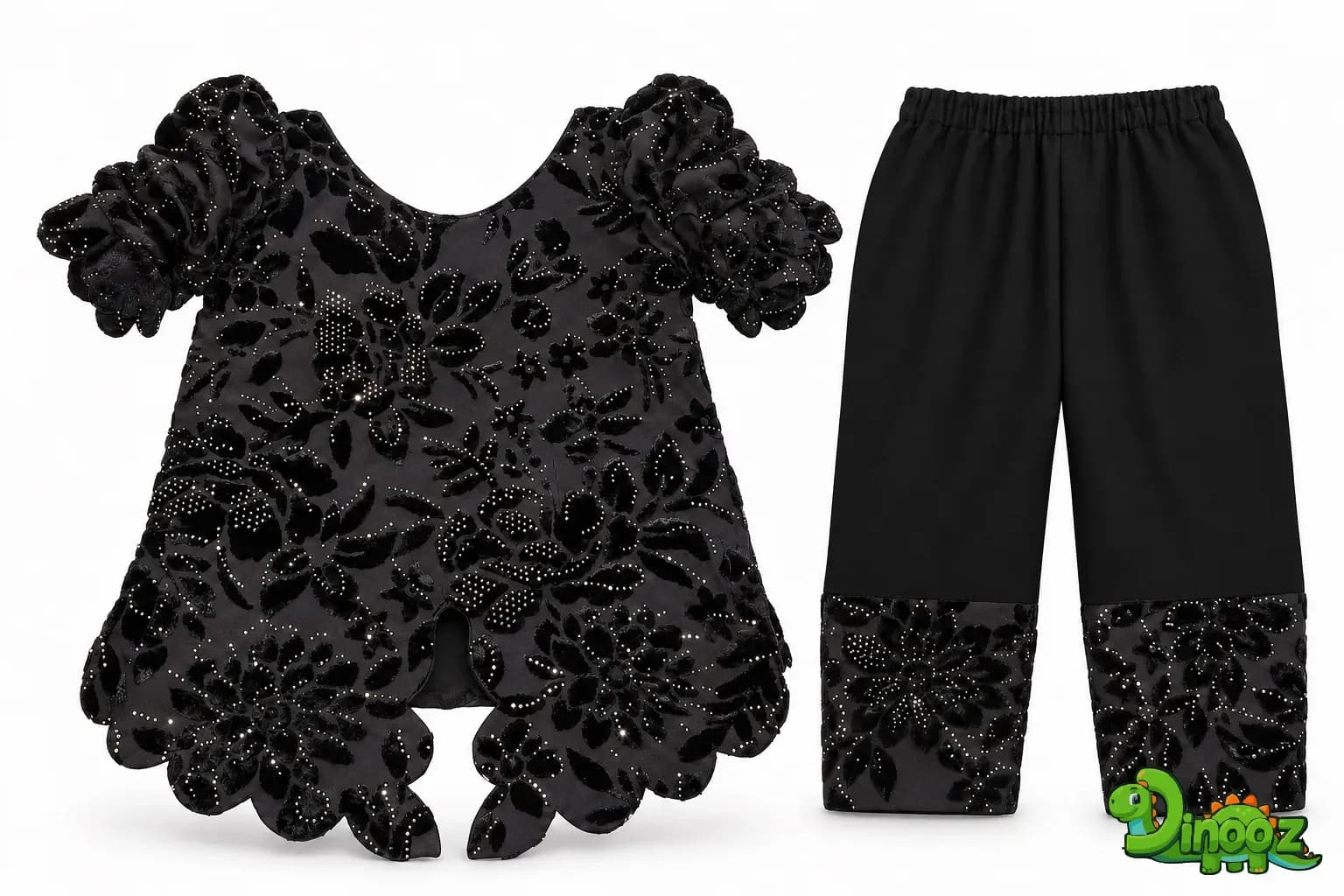
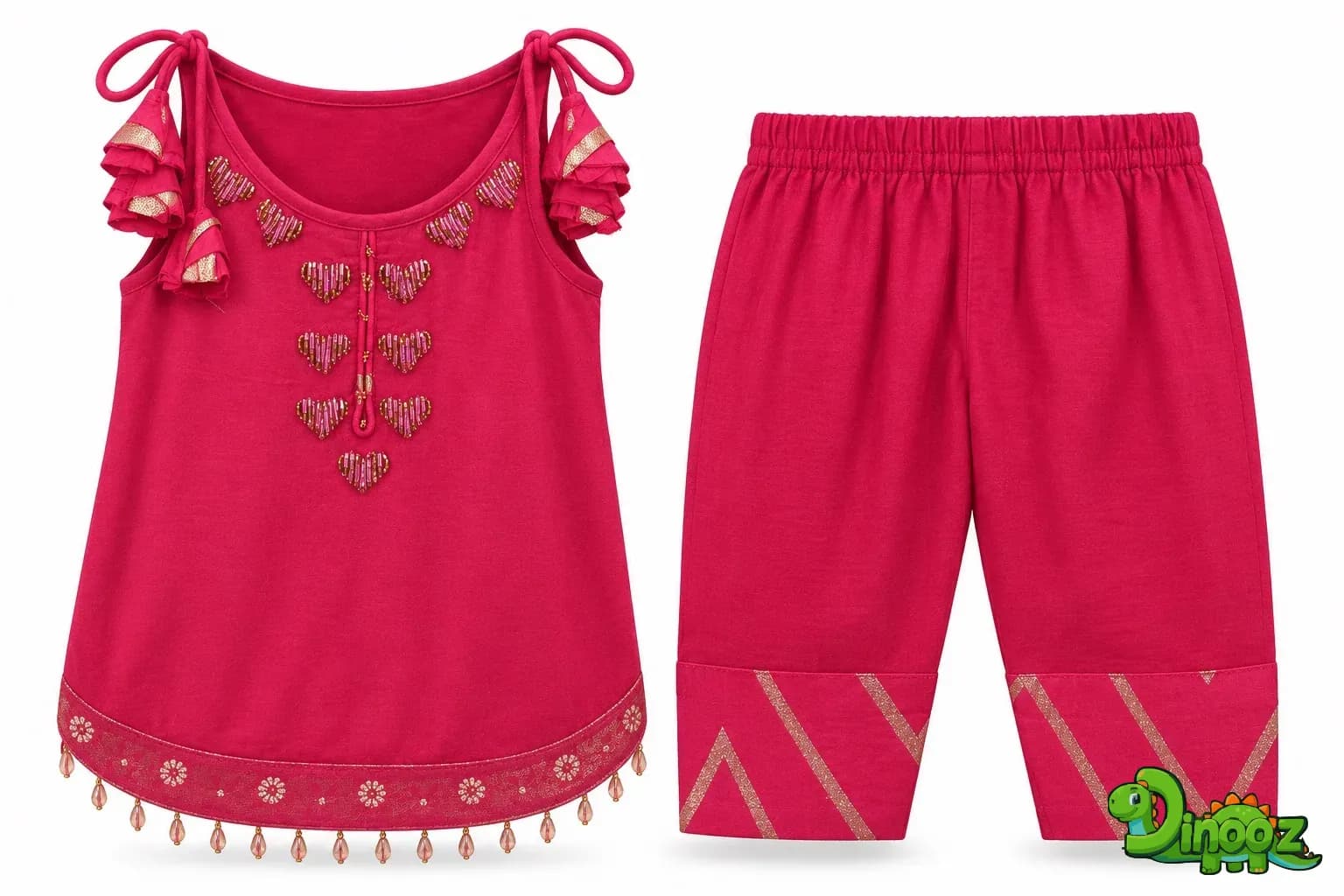
Fun prints are part of the appeal of kids' clothes, and they last longest with cool washes, inside-out washing and drying, and no direct iron. Treat printed pyjamas and matching sets the same way: they are worn and washed often, so small habits add up across a season.
Looking for easy-care pieces for everyday wear? Browse our kids' matching sets and kids' pyjamas, check the fabric on each product page, and enjoy free delivery on orders over AED 99 anywhere in the UAE.
Questions parents ask
Is tap water in the UAE hard?
It depends on where you live. Hardness varies by area and building, and stored water in rooftop tanks can behave differently from water straight from the mains. White scale on your kettle, taps or shower head is a good practical sign that minerals are affecting your laundry too.
Can I use vinegar to soften baby clothes?
Many parents add a small amount of white vinegar to the softener drawer as an occasional rinse. Check your washing machine manual first, never combine it with bleach, and run a normal rinse afterwards. If your baby has sensitive skin, keep things simple and speak to your doctor if you notice irritation.
Why do my kids' clothes smell musty even after washing?
Usually it is detergent residue, an overloaded drum or clothes left damp in the machine. Use the correct dose, leave space in the drum, unload promptly and dry clothes fully. Leaving the machine door and drawer open between washes also helps keep the drum fresh in humid months.
Should I stop drying kids' clothes outside in summer?
Not necessarily. Outdoor drying is fast and handy in the UAE. Just dry in the shade, keep clothes inside out and bring them in as soon as they are dry, since extra hours in strong sun mainly fade colours and prints without any benefit.
Do I need a water filter for my washing machine?
It is optional. Some families fit an inline filter or softener, while others manage well with careful dosing, an extra rinse and an occasional softening product. If you are considering a fitted system, ask your building management or a licensed plumber what suits your home.